


-

Add: HeBei ShengShi HongBang Cellulose Technology CO.,LTD.
-

Email
13180486930@163.com -

CONTACT US
+86 13180486930




Raw Materials for Synthetic Fibers An Overview Synthetic fibers have become an integral part of our daily lives, shaping industries ranging from fashion to automotive. These fibers are made from raw materials that have transformed textiles, offering durability, versatility, and a range of functionalities. To understand the production of synthetic fibers, it is essential to explore the various raw materials involved, the processes of transforming these materials, and their impact on the textile industry and the environment. Types of Raw Materials The production of synthetic fibers primarily relies on petrochemical products derived from crude oil. The two most common types of synthetic fibers are polyesters and polyamides, which are produced from specific raw materials. 1. Polyester The most widely used synthetic fiber, polyester, is typically made from polyethylene terephthalate (PET). PET is synthesized from two key raw materials terephthalic acid and ethylene glycol. Both of these compounds originate from crude oil, undergoing processes such as polymerization to create polyesters. Known for its strength and resistance to stretching and shrinking, polyester has become a popular choice in clothing, home furnishings, and industrial applications. 2. Polyamide (Nylon) Another significant synthetic fiber is polyamide, commonly known as nylon. The production of nylon involves raw materials like hexamethylenediamine and adipic acid, which can also be sourced from petroleum or derived from renewable resources. Nylon fibers are prized for their exceptional elasticity, strength, and abrasion resistance, making them ideal for products such as hosiery, activewear, and ropes. 3. Acrylic Acrylic fibers, often used as a wool substitute, are manufactured from polyacrylonitrile (PAN). The raw materials for PAN typically include acrylonitrile, which is derived from propylene—another byproduct of oil refining. Acrylic fibers are lightweight, soft, and exhibit good color retention, providing a popular choice in blankets, sweaters, and textiles. The Production Process Once the raw materials are sourced, the production of synthetic fibers generally involves several key steps polymerization, spinning, and finishing. raw material for synthetic fibers - Polymerization This process involves chemically reacting the raw materials to form long chains of molecules, known as polymers. Depending on the desired characteristics of the final product, variations in the chemical process can be implemented to achieve specific attributes, such as thickness and flexibility. - Spinning After polymerization, the resulting polymers are melted down and extruded through spinnerets, which are devices that create filaments. As the molten polymer passes through tiny holes, it cools and solidifies to form fibers. This spinning process can be done using different techniques, such as dry, wet, or melt spinning, each resulting in different types of fiber characteristics. - Finishing The final step in fiber production involves finishing processes that enhance the fiber's performance characteristics. This might include dyeing, texturing, or applying treatments that improve properties like water resistance or flame retardance. Environmental Considerations While synthetic fibers have revolutionized the textile industry, their production poses significant environmental challenges. The extraction and processing of petrochemical raw materials contribute to carbon emissions, pollution, and reliance on fossil fuels. Furthermore, synthetic fibers are not biodegradable, resulting in long-lasting waste in landfills and oceans. To address these concerns, there is a growing movement towards sustainable practices in synthetic fiber production. Innovations in recycling technologies are enabling the repurposing of old synthetic garments into new fibers. Brands are also exploring bio-based alternatives, using renewable resources such as corn starch or sugarcane to produce synthetic fibers, thus reducing their environmental footprint. Conclusion The journey of synthetic fibers from raw materials to finished products is a complex interplay of chemistry, engineering, and environmental considerations. As demand for these materials continues to grow, it is vital to find a balance between industrial benefits and ecological sustainability. By prioritizing innovation and responsible sourcing, the future of synthetic fibers may pave the way for a more sustainable textile industry, combining functionality with environmental stewardship.
- 40000tons

Production
- 20+years

Experience
- 5000+㎡

Acreage

-
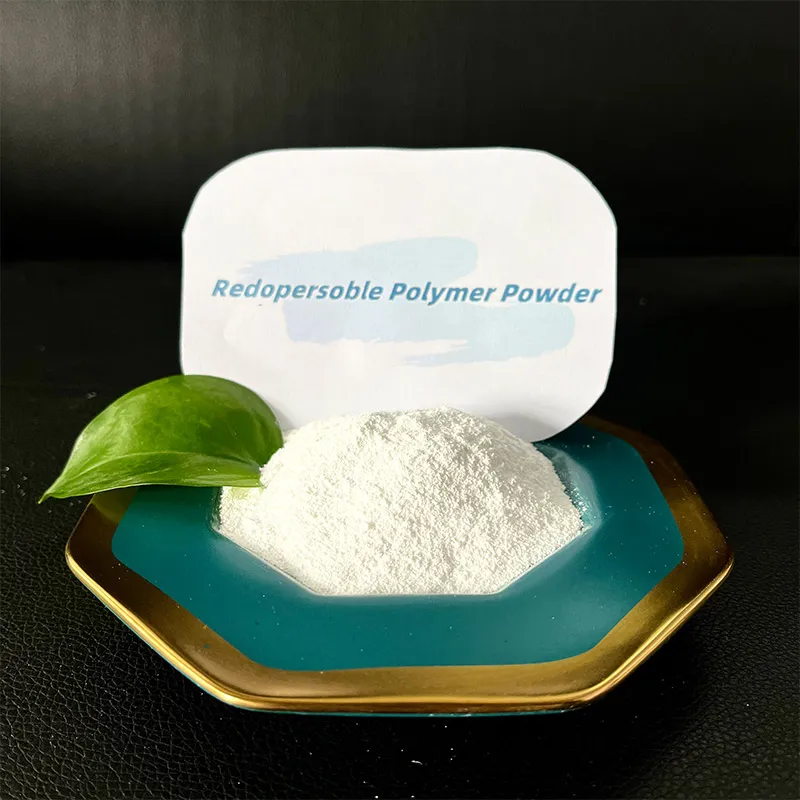
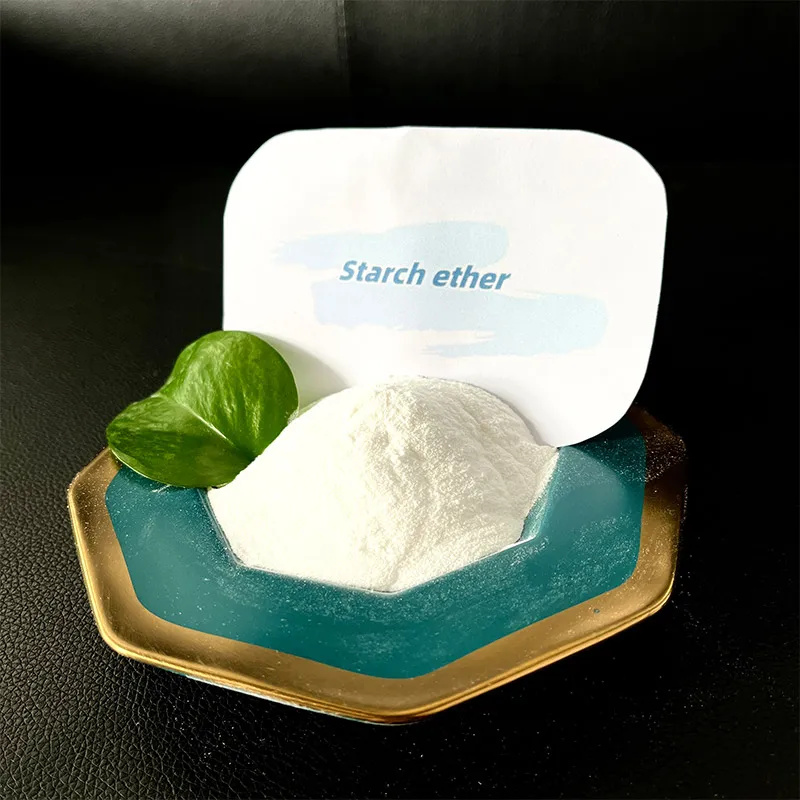
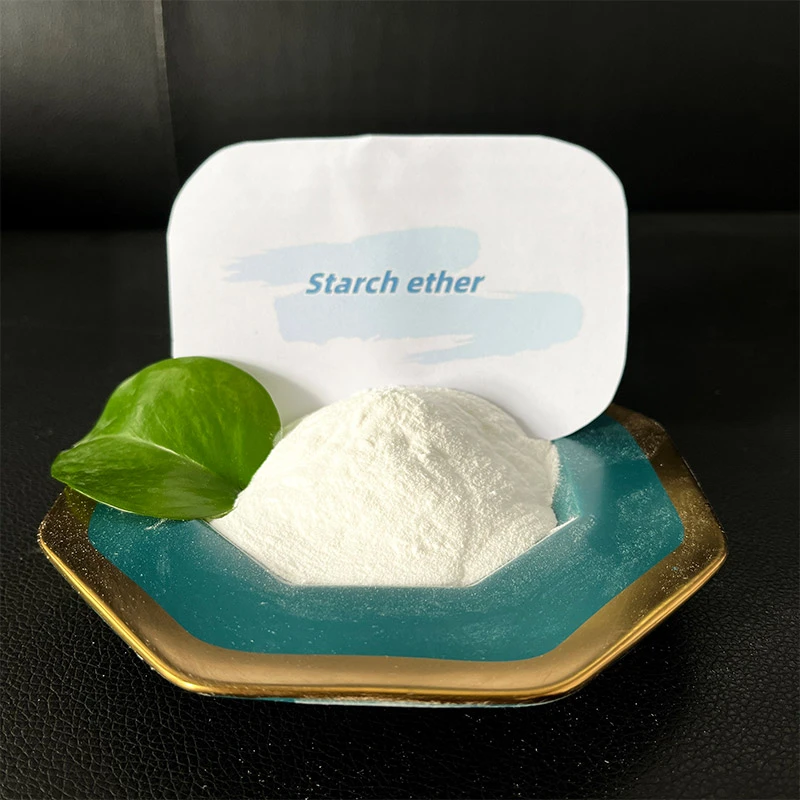
The Role of Starch Producers in the Ether Industry In the evolving landscape of modern industry, the synergy between traditional agriculture and emerging technology is becoming increasingly significant. Amongst the various bio-based materials, starch has emerged as a noteworthy player, particularly in its application within the ether industry. This article delves into the role of starch producers in the development of ether, examining the production process, applications, and the broader implications for sustainability. Understanding Starch and Ether Starch, a carbohydrate polymer made up of numerous glucose units, is predominantly sourced from crops such as corn, potatoes, and cassava. The starch extraction process involves grinding the raw material, treating it with water, and subsequently separating the starch granules. Once obtained, starch can undergo various chemical modifications to produce derivatives that can be used as ethers. Ethers, on the other hand, are organic compounds in which an oxygen atom is bonded to two alkyl or aryl groups. They are used widely in diverse industries, including pharmaceuticals, cosmetics, and food production. The use of ethers produced from starch is gaining traction due to their biodegradability and lower environmental impact when compared to synthetic counterparts. The Production Process Starch producers are pivotal in the supply chain for ether production. The journey begins with the cultivation of starch-rich crops, followed by efficient harvesting and processing. In many regions, this process not only supports local economies but also promotes agricultural sustainability. Once the starch is extracted, it is subjected to a series of chemical reactions. One common method involves the reaction of starch with alkyl halides in the presence of a suitable catalyst, leading to the formation of starch ethers. This modification improves the solubility and enhances the functional properties of starch, making it suitable for a wide array of applications. watengenezaji wa wanga ether Applications of Starch Ethers Starch ethers find applications across various sectors. In the pharmaceutical industry, they serve as excipients or binders in tablet formulations, enhancing drug delivery and stability. In the cosmetic sector, these ethers are valued for their thickening and emulsifying properties, contributing to the texture and stability of lotions and creams. Moreover, the food industry utilizes starch ethers as thickeners, stabilizers, and gelling agents. They provide essential functionality while meeting consumer demands for clean-label ingredients. As the trend towards natural and sustainable products continues to rise, the application of starch-based ethers is expected to expand further. Sustainability Implications The production of ethers from starch not only represents a technological advancement but also aligns with contemporary sustainability goals. Traditional petroleum-based chemicals are often linked to environmental degradation and climate change. In contrast, utilizing renewable resources such as starch reduces dependence on fossil fuels and promotes a circular economy. Starch producers who adopt environmentally friendly practices are fostering practices that contribute to biodiversity and soil health. Furthermore, as consumers become increasingly aware of sustainability issues, the demand for bio-based products is likely to grow. This shift presents an opportunity for starch producers to innovate and cater to a market that values environmental responsibility. Conclusion In conclusion, starch producers play a vital role in the ether industry by providing a sustainable raw material that meets various industrial demands. Their efforts not only support economic development but also lead to the creation of products that align with sustainability principles. As the world pivots towards greener alternatives, the relationship between starch and ether is set to become more crucial, leading to innovations that benefit both industry and the environment. The future of the ether industry looks promising, with starch at its heart, driving progress towards a more sustainable and eco-friendly landscape.
-
Gentamicin with Hydroxypropyl Methylcellulose (HPMC) Eye/Ear Drops A Comprehensive Insight Gentamicin with Hydroxypropyl Methylcellulose (HPMC) eye/ear drops represent a significant advancement in therapeutic treatments for ocular and auditory infections. As infections in these areas can severely impair daily functions, the efficacy and safety of medications are of utmost importance. This article explores the intricate balance between patient experience, professional insights, authoritative knowledge, and trust issues in the use of gentamicin with HPMC drops. Experience User-Centric Outcomes Patients seeking treatment for bacterial infections in the eyes or ears often endure discomfort and anxiety. Gentamicin, an aminoglycoside antibiotic, targets and eradicates susceptible bacterial strains, providing relief from symptoms such as redness, swelling, and discharge. When combined with HPMC, a biocompatible polymer acting as a lubricant, users experience enhanced comfort. The addition of HPMC not only facilitates prolonged contact time with the mucosal surface but also reduces the irritation that can be associated with gentamicin alone. Patients report a soothing sensation upon administration, leading to an overall positive experience during the course of treatment. Expertise Professional Insights on Efficacy and Safety The mechanism of action of gentamicin involves inhibiting bacterial protein synthesis, making it highly effective against a broad spectrum of pathogens including Pseudomonas aeruginosa, Staphylococcus aureus, and Escherichia coli. Research and clinical trials underscore its efficacy, particularly in treating acute and chronic conditions of the eyes and ears. HPMC complements this action by serving as a viscosity enhancer. This ensures that gentamicin remains in contact with the infected site longer, enhancing its bacterial killing properties while providing a shield that minimizes mechanical irritation. Healthcare professionals emphasize the drop’s dual functionality in infection control and symptom alleviation. gentamicin with hpmc eye/ear drops Authoritativeness The Science Behind the Solution Gentamicin with HPMC eye/ear drops are backed by extensive laboratory research and clinical studies, establishing their authority in the treatment of bacterial infections. Pharmacological studies detail the pharmacokinetics involved, highlighting the drug’s absorption, distribution, metabolism, and excretion patterns. Moreover, the combination is approved by various international health authorities, reflecting rigorous assessments of its therapeutic benefits and safety protocols. Leading ophthalmologists and otolaryngologists recommend this formulation considering its lower side effect profile compared to other antibiotics, ensuring its authoritative stance in medical treatments. Trustworthiness Building Confidence in Treatment The trust placed in gentamicin with HPMC is a culmination of transparency in clinical findings and patient outcomes. Adverse reactions are minimal, with most being mild and transitory, such as temporary burning or stinging sensations. This transparency, coupled with ongoing pharmacovigilance, reassures both patients and medical practitioners of its reliability. The consistency in manufacturing practices, adherence to top-tier quality control standards, and availability of patient information leaflets further boost confidence. Patients can trust this product to deliver safe and effective treatment, aligned with current medical standards and patient care principles. In conclusion, gentamicin with HPMC eye/ear drops embody a sophisticated solution to bacterial infections, valued for their efficacy, patient-friendly formulation, and steadfast safety profile. By integrating expertise with empathetic patient experience , this treatment stands as a paragon of modern pharmaceutical care. Patients and healthcare providers can trust in its ability to restore health with minimal discomfort, ensuring a high standard of therapeutic care.
advantages
-

200000 Viscosities
Excellent product
We can produce pure products up to 200,000 viscosities
-

40000 tons
High yield
We don’t stop production all year round, and the annual output can reach 40,000 tons
-

24 hours
Quality service
We provide 24-hours online reception service, welcome to consult at any time
———— Inquiry Form
Schedule A services

-
 pengaruh_serat_polipropilena_pada_beton
Oct . 25, 2025
L’idrossipropilmetilcellulosa (HPMC) è un composto polimerico che trova un ampio utilizzo in diversi -
 styrene_butadiene_rubber_powder
Oct . 25, 2025
Polypropylene fiber is an innovative material that significantly enhances the performance characteri -
 hpmc_k4m_uses
Oct . 25, 2025
In the complex world of construction and building materials, innovative products regularly establish


